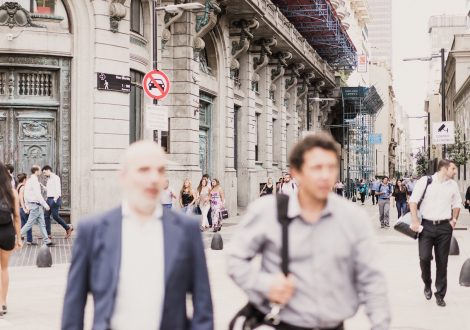
Staying active is a key component to a long, happy life. With sedentary desk jobs, suburban sprawl, and long commutes, many Americans can struggle to get enough movement throughout the day. In many cases, our communities are not set up for us to be able to walk to school, the grocery store, work, or even to the park.
If you live in an environment that naturally nudges you to move more or makes it easy for you to visit a local park or bike trail, you may be more likely to get active. Unfortunately, only 39% of Americans live within a half-mile of a park. Many Americans live in “fitness deserts,” neighborhoods that lack critical amenities like sidewalks, parks, bike paths, sports fields, and gyms.
Many Americans live in “fitness deserts,” neighborhoods that lack critical amenities like sidewalks, parks, bike paths, sports fields, and gyms. Share on XPhysical inactivity is a growing threat to public health worldwide. The World Health Organization recommends that adults exercise each week for 150 minutes at moderate intensity, or 75 minutes per week at high intensity. Yet the organization found in 2022 that nearly 31% of adults around the world (about 1.8 billion people) did not meet those recommended guidelines. Lack of physical activity puts adults at greater risk of cardiovascular disease, type 2 diabetes, dementia, and cancer.
It’s easier for residents of neighborhoods flush with fitness and recreation resources to maintain a healthy, active lifestyle. The American Heart Association has found that people living near gyms or other fitness facilities were almost four times as likely to be members of a gym than those who lived farther away.
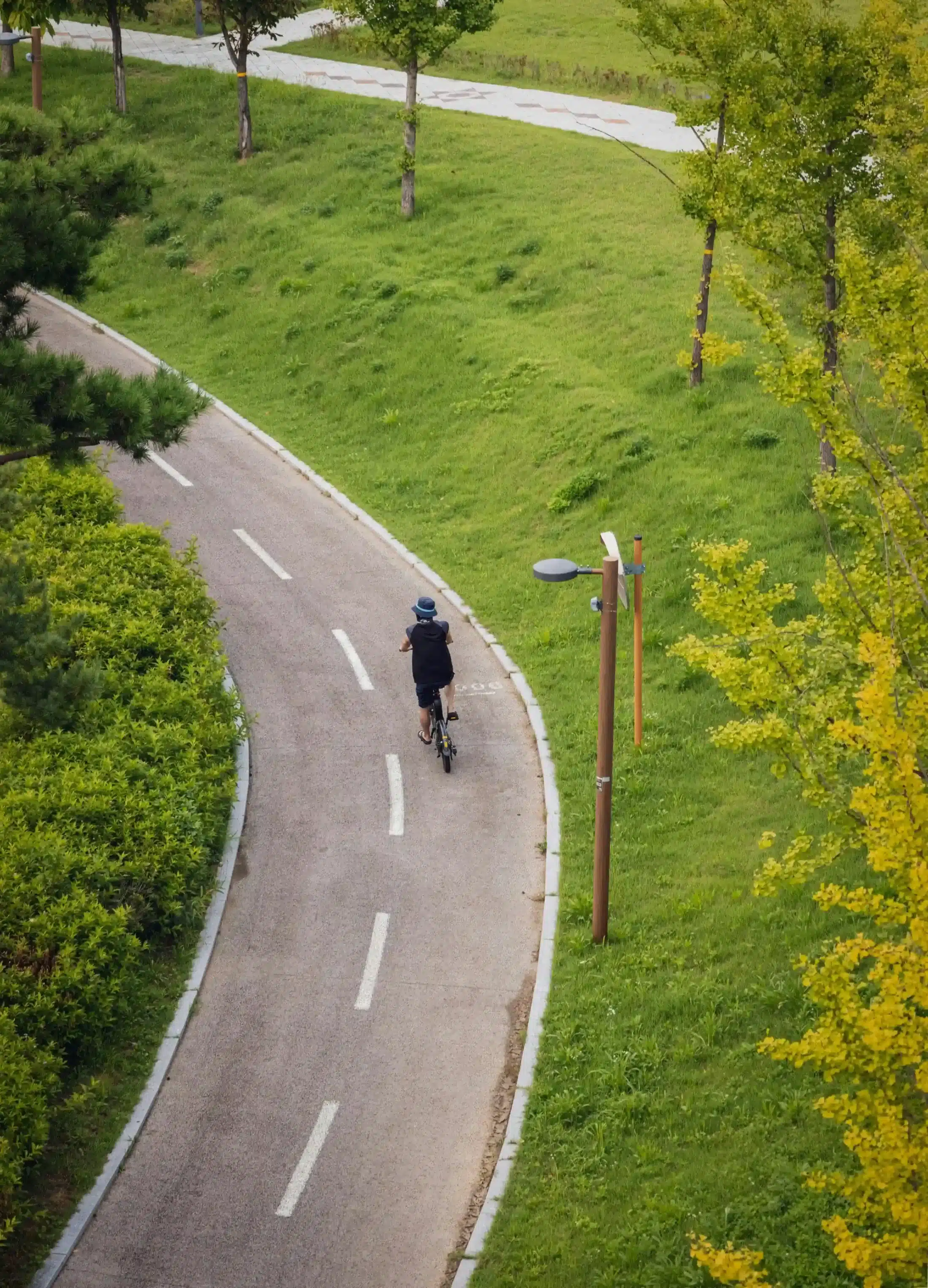
Fitness deserts are much more likely to occur in historically under-resourced communities, including many African-American, Latino, and [other marginalized neighborhoods. A 2021 study by the Trust for Public Land found that under-resourced neighborhoods have 44% fewer parks within walking distance than high-income neighborhoods.
Neighborhood disparities in fitness go beyond a lack of convenient physical activity resources. Fitness deserts are likely to lie within opportunity deserts: geographic areas where residents have severely limited access to resources necessary for well-being and advancement, like quality education, effective employment centers, and sufficient healthcare services.
Fitness deserts are likely to lie within opportunity deserts: geographic areas where residents have severely limited access to resources necessary for well-being and advancement, like quality education, effective employment centers, and… Share on XOpportunity deserts are often characterized by a ubiquity of low-wage jobs, insular environments that dissuade newcomers and innovative new ideas, and an abundance of chain stores and a lack of independently owned businesses. Analysts at the Economic Innovation Group found that “distressed” counties are 26% more likely to lack healthy foods and have about 24% fewer fitness resources and opportunities. The same counties also have about 20% fewer primary care providers than their wealthier counterparts.
These social and economic inequities take a toll not just on residents’ quality of life, but on lifespans, as well. People in prosperous counties live, on average, five years longer than those living in historically under-resourced counties. In some communities, the difference is even more stark. Residents of the Barry Farms neighborhood in Washington, D.C., have a life expectancy of just 63.2 years, 33 years less than residents of the Friendship Heights neighborhood, just 10 miles away.
On average, life expectancy in the U.S. is 78.4 years, according to the Centers for Disease Control (CDC). The figure rises as high as 80 years in Hawaii and 79.8 years in Massachusetts, and drops as low as 72.6 years in Mississippi and 72.2 years in West Virginia.
Eliminating the well-being and longevity disparities in historically under-resourced communities will require a multifaceted, systems-oriented approach. But eliminating fitness deserts is a more targeted issue that can be solved sooner. Several cities across the U.S. have launched initiatives in recent years to address gaps in community access to recreational resources.
Local officials in Little Rock, Arkansas, worked with residents as part of their Safe Routes to Parks Project to create new bike and pedestrian paths that allow safe ways to access green spaces like War Memorial Park, which had been separated from some lower-income neighborhoods by an interstate highway.
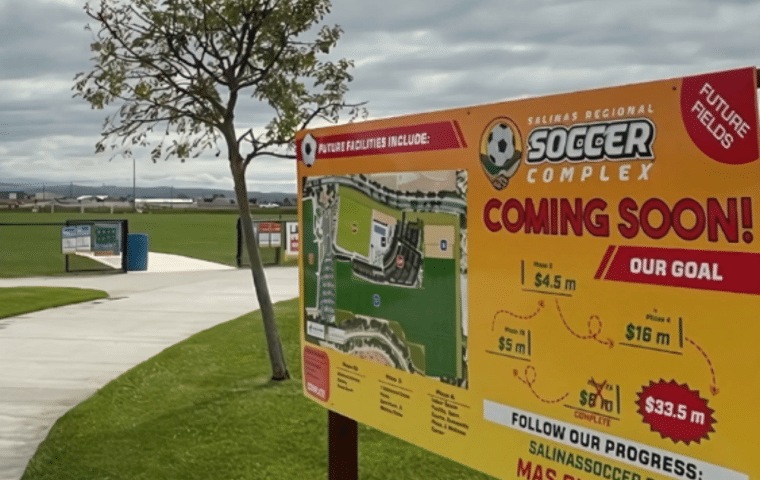
Blue Zones Project efforts in Salinas, as part of the Monterey County-wide initiative, focused on transforming local infrastructure to make healthy choices–such as walking and biking—easier and more accessible to all residents. One of their most notable achievements was the downtown street network overhaul, which improved street lighting, widened sidewalks, and created a safer, more pedestrian-friendly environment. In addition, the Blue Zones Project Monterey County team worked on the expansion of the Salinas Regional Soccer Complex to include features like outdoor exercise stations, benches, and shaded walking paths, ensuring that physical activity is not only accessible but encouraged throughout the facility.
The common theme: community leaders and local residents collaborating to bring more and better recreational resources to under-resourced communities.
“Fortunately, hard work, ingenuity, and entrepreneurial energy can be found in every community across the country,” the Economic Innovation Group stated. “Policymakers should focus on empowering those forces in order to rekindle the grassroots economic growth that made this country the world’s leading economy in the first place.”