Improving Healthy Food Access

Using Urban Farming to Improve Healthy Food Access & Economic Development in Fort Worth, TX
In 2014, Fort Worth, Texas, was ranked almost dead last for health and well-being in the Gallup Well-Being Index. What happened next is only a testament to the power of transformation in People, Places, and Policy. City and community leaders, policy experts, and regular people came together to change course and put Fort Worth on track to become one of the healthiest cities in the nation. Each sector played a role, but healthy food access was a pillar in the transformation, and the collaborations began even before Blue Zones Project, setting the foundation for the transformation to come.
Opportunity for Transformation
According to the Tarrant Area Food Bank, in 2015, an estimated 280,000 Fort Worth residents lived in a food desert (situated a mile or more from a full-service grocery store), and several zip codes in the county did not have a single grocery store in the community. In these areas, in place of grocery stores were fast food chains and convenience stores, neither of which offered fresh produce. Tarrant County and Fort Worth joined forces in the hopes of revitalizing underused and vacant lots around the community, converting them into community gardens and working to create policies and update zoning codes that allowed urban farmers to grow and sell produce in the city. The launch of Blue Zones Project galvinized the efforts, pulling together all of the necessary resources and experts to get the project to completion.
Key Project Activities
- Research and Analysis: Fort Worth Planning and Zoning Department, Tarrant County Food Policy Council, and Blue Zones Project staff worked together to research how communities across the country have addressed food deserts, define community garden best practices, and review zoning language and policies for urban farms/agriculture in large cities.
- Collaboration and Community Input: Broad outreach to many different stakeholders in the city. For more than a year before and after the ordinance was drafted. Worked with community gardeners, master gardeners, local nonprofits, academics, aquaponics experts, members of the metro beekeepers’ association to solicit input. Ordinance was explained with simple flyers with infographics to keep the community informed. News and information was shared across community organizations and message boards.
- Final Adoption: In August 2016, Fort Worth City Council held a public meeting and the proposed ordinance encountered no opposition. City Council voted to approve the amended zoning ordinance to allow urban farming and it only took two weeks for the policy to take effect.
Project Timeline
2010: Tarrant County Health Department works with Tarrant Area Food Bank to start community gardens within the county
2012: Tarrant County Food Policy Council founded
2013: Tarrant County Public Health releases Tarrant County Food Desert Project: Nutrition Environment Assessment Report
2014: Fort Worth City Council votes to approve Resolution No. 4278, Fort Worth Blue Zones Project
2016: APR – Fort Worth City Council adopts mobile food vending ordinance, Mobile food vending ordinance takes effect
AUG – Fort Worth City Council adopts urban agriculture amendments to city’s zoning ordinance, Fort Worth urban agriculture ordinance takes effect
Project Impact
The adoption of the Mobile Food Vending Ordinance allowed fresh market mobile vending and mobile vending vehicles on private property in residentailly zoned districts. Shortly after that ordinance took effect, the Urban Agriculture Zoning Ordinance went into effect which amended city zoning rules to allow urban farms, aquaponics inside covered structures, and produce sales across all residential, commercial, and industrial zoning districts. Long-term evaluation of these policy improvements take decades to assess, but these changes provided the framework for enabling the community to convert unused space into food production sites, support local entrepreneurship, and get fresh produce sales directly into lower income communities.
Our Partners and Sources
Explore the links below to read other resources and more about our partners on this project.


THE IMPACT OF BLUE ZONES

“The Blue Zones initiative provided Fort Worth with the political and civic support, funding, and momentum to help get health improvement initiatives such as the urban agriculture ordinance over the finish line.”
Read More Case Studies
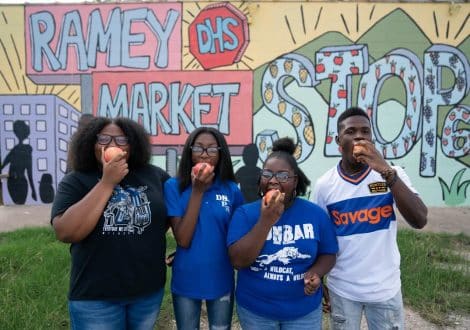
Ramey Market

Rural School District Transformation
