Beach Cities, CA
Local officials engaged Blue Zones Project because their childhood obesity levels were higher than the national average (pre-2010). Stress levels were high, particularly in affluent Manhattan Beach, measuring the same as New Orleans post-Katrina, or in Detroit. At higher than the national average, significant daily stress was an important unhealthy indicator in the Beach Cities. These three beach cities in Southern California continue to show dramatic improvements since launching with Blue Zones Project in 2010.
The Project Results


The Beach Cities – Hermosa Beach, Manhattan Beach and Redondo Beach – were named a nationally certified Blue Zones Community® in 2016. At the time, the Beach Cities were the largest community to achieve Blue Zones Community certification through the successful implementation of Blue Zones Project®. Blue Zones Project launched in 2010 to measurably improve the health of the Beach Cities by reengineering the environment and culture to encourage the healthy lifestyle behaviors exhibited by the world’s longest-living people. Through collaboration between Beach Cities Health District (BCHD), local government, schools, restaurants, grocery stores and businesses, Blue Zones Project focuses on people, places and policy to create healthier communities. Blue Zones Project shapes the environments where people live, work and play by making the healthy choice the easy choice. By targeting places where we spend most of our time like worksites and schools, Blue Zones Project programming focuses on changes in our environments that can make a huge difference in well-being.
The High Level Impact
Want to know more details on Blue Zones Project Beach Cities? Read the Project details
Obesity and Overweight Rates
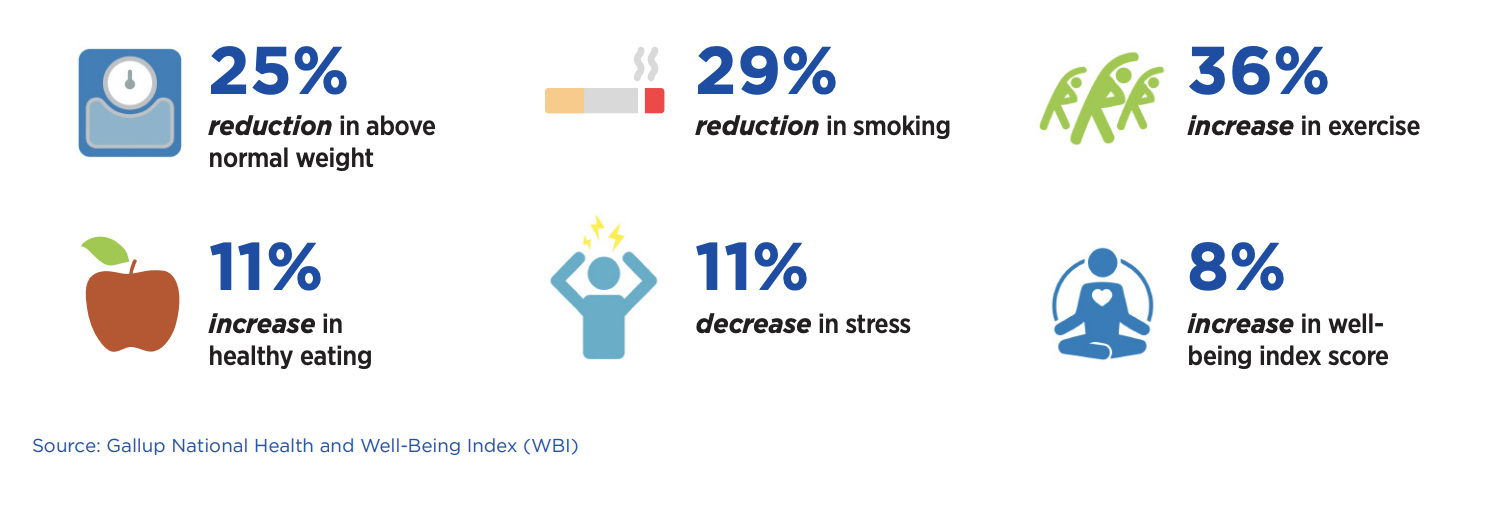
15% drop in obese and overweight adults (between 2010-2017). At 12.1 %, the rate of obesity in the Beach Cities is less than half of the U.S. rate of 28.1% – meaning just one in eight Beach Cities residents are obese compared to one in four Americans nationally.
68% reduction in childhood obesity from 2007 to 2019 at Redondo Beach K-5 schools. The number of Beach Cities residents who are above normal weight (obese or overweight) fell from 60 to 50.8 percent. In contrast, 63.7 percent of U.S. adults and 58.7 percent of Californians are above normal weight.The Impact
Smoking Rates
36% drop in smoking (between 2010-2017). The smoking rate in the Beach Cities fell to just 8.9% of residents – a rate significantly lower than the U.S. (18.8%) and California (13.7%).
Exercise
Now, 65.8% of Beach Cities residents report exercising at least 30 minutes a day, three days a week—a 9% increase since 2010— compared to just 53.2% of adults nationally and 57.7% statewide.To make healthy food the easy choice for everyone in the community, Blue Zones Project provided guidance on how to offer and bring attention to foods that are more nutritious and tasty.
Overall Well-Being Score
The Beach Cities scored historic highs on the Gallup National Health and Well-Being Index (WBI) despite national declines, indicating that the Beach Cities continue to be among the healthiest places to live in the nation. The 2025 score of 69.5 was the Beach Cities’ highest ever and substantially outpaced the national average score of 60.1. The WBI surveys adults nationwide on five elements of well-being: career, community, financial, physical and social. These five anchors contribute to the overall WBI score; a high score means a life well-lived. The Beach Cities have had improvements in all five elements of well-being over the past ten years.
Additional Impacts
- Adopted Living Streets Policies and bicycle master plan
- Adopted strong smoke-free and tobacco retail policies
- 37 Walking School Bus Routes established
- Nearly 100 Blue Zones Project Approved restaurants and grocery stores
- 14 of the top 20 Beach Cities employers achieved Blue Zones Worksite designation
- More than 24,000 residents have taken the Blue Zones Project Pledge
- 11 active Moais with nearly 300 members
Since the inception of Blue Zones Project in 2010, improvements in community well-being in 2015 were valued at:
- Savings of $21M in direct medical expenses
- Reductions in projected lost productivity of $21M
- A cumulative total of $42M in value
- $341 average annual per capita value



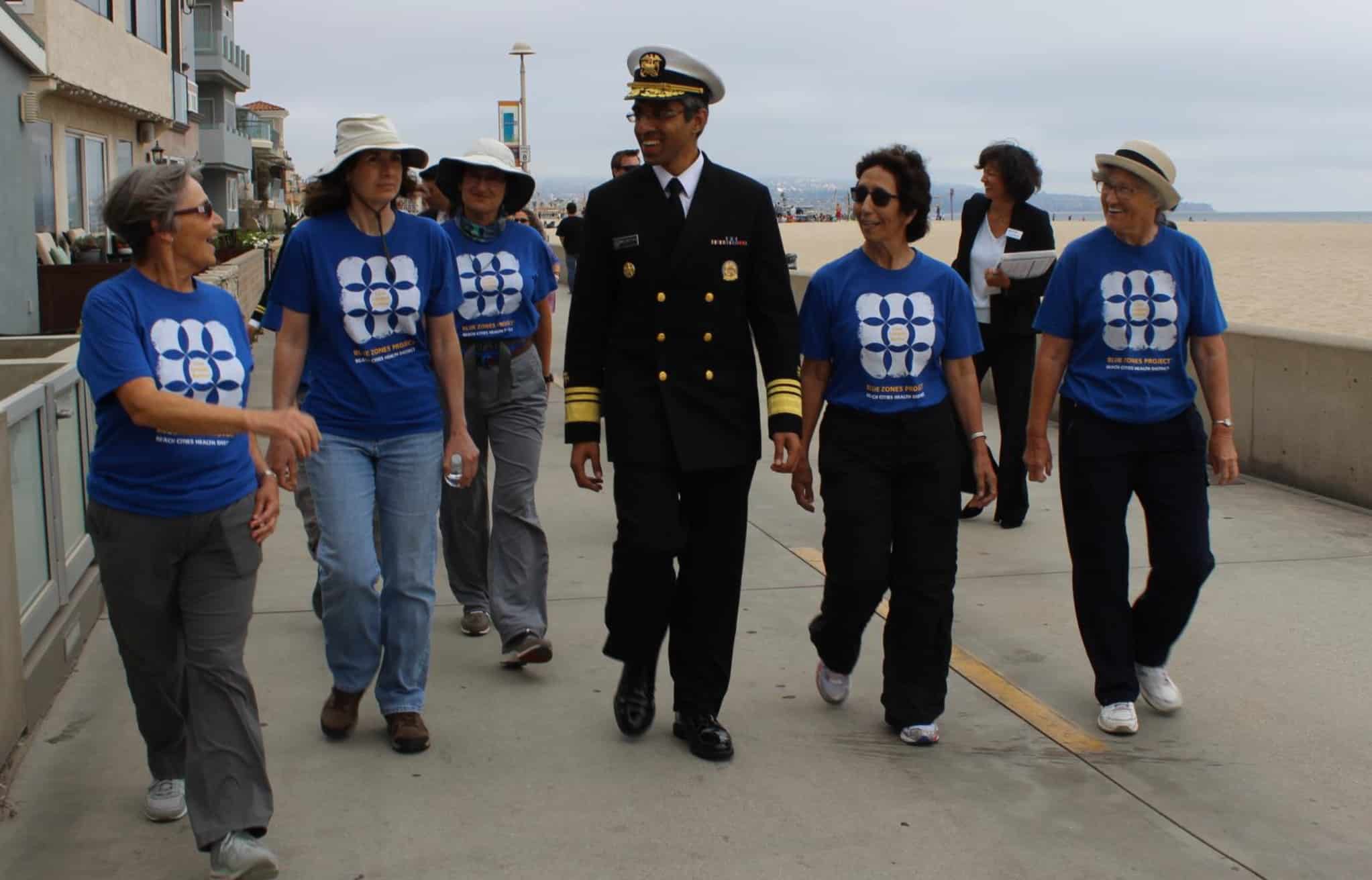
“In an age when poor health seems so intractable, you’ve taken this community from a place of resignation to a place of hope.”