Drinking culture in America – and worldwide, in fact – is undergoing a slow, steady, and seismic shift as more and more people turn away from alcohol (even just temporarily) and choose to drink non-alcoholic beverages instead.
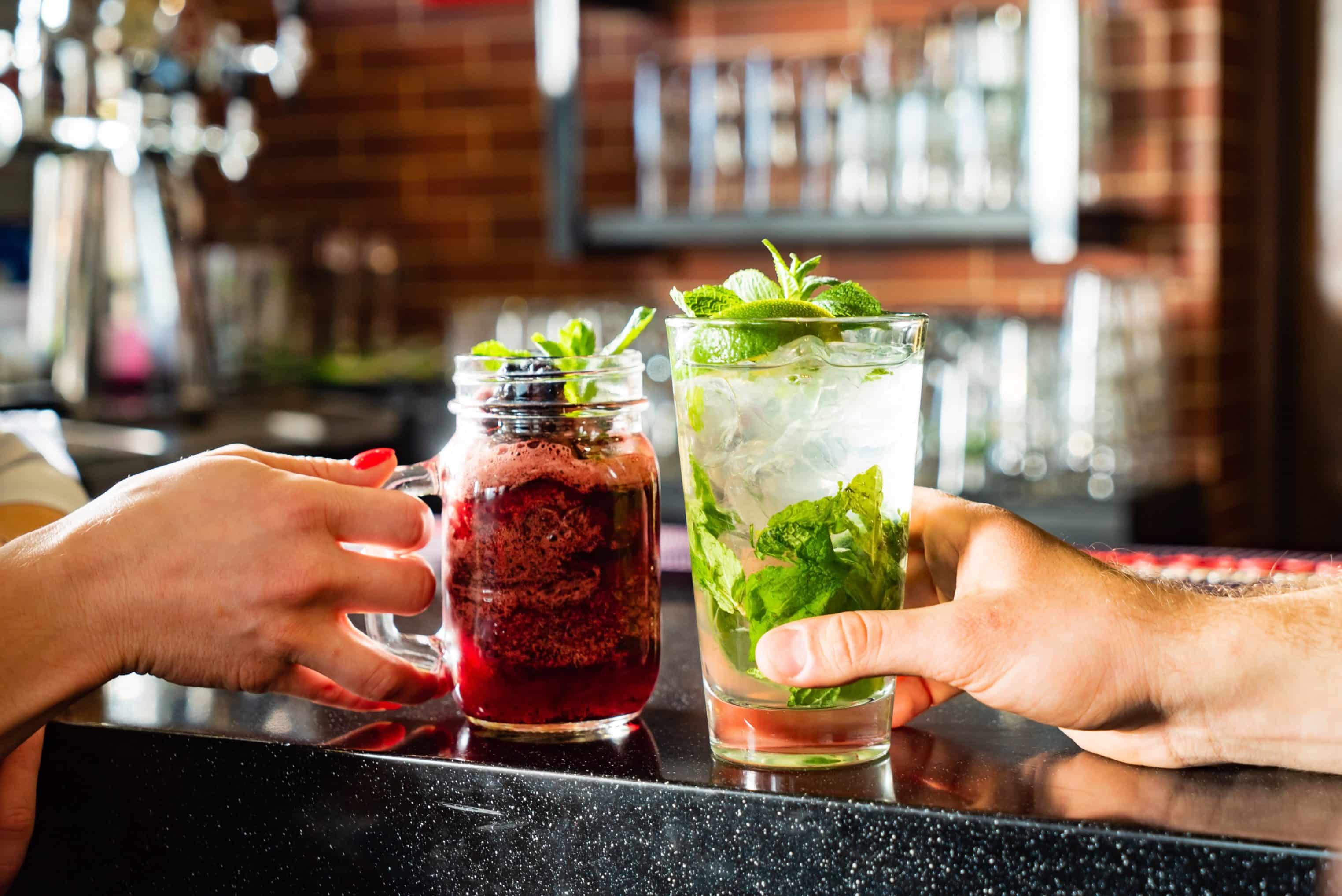
The Dry January and Sober October initiatives, which encourage participants to stay alcohol-free for a month, grow more popular every year. Non-alcoholic bars and bottle shops are popping up around the country, from New York and Los Angeles to Sacramento, Orlando, and Omaha. Meanwhile, many traditional bars and restaurants are expanding their mocktail menus.
Between 2021 and 2022, total sales of non-alcoholic drinks in the U.S. showed year-on-year growth of 20.6%: non-alcoholic beer sales jumped 19.5%, wine rose 23.2% and spirits leapt to an impressive 88.4%. According to the Wall Street Journal, at Whole Foods Market, Athletic Brewing Company’s non-alcoholic beer outsells all other beers in the store, including those with alcohol.
Between 2021 and 2022, total sales of non-alcoholic drinks in the U.S. showed year-on-year growth of 20.6%: non-alcoholic beer sales jumped 19.5%, wine rose 23.2% and spirits leapt to an impressive 88.4%. Share on XThis is a positive trend: Alcohol misuse is one of the leading causes of preventable deaths in the United States, and a significant public health concern as alcohol misuse contributes to violent crimes, traffic accidents, and social problems.
A 2024 survey from marketing research company NCSolutions found that 41 percent of respondents said they were trying to drink less alcohol. Younger generations appear to be leading the way in the sobriety movement. According to a Gallup survey in 2023, fewer than four in 10 adults aged 18-34 reported having even one alcoholic beverage in the seven days before their poll.

Consumers are seeing an increasing variety of non-alcoholic alternatives on the market, making it even easier to steer away from their typical tipples. Instead of just going with fruit juice or seltzer, many people are exploring alcohol-adjacent (but booze-free) options like hop water. Essentially seltzer water flavored with hops, hop water sales shot up 143 percent from 2020 to 2022, when it became the fifth largest-growing craft beverage style in the country (according to NeilsenIQ, a consumer behavior database).
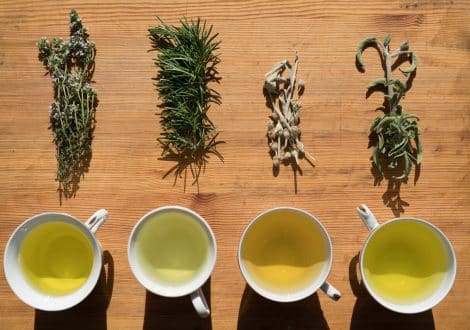
Consumers are seeing an increasing variety of non-alcoholic alternatives on the market, making it even easier to steer away from their typical tipples. Share on XAdaptogenic drinks – sometimes called “functional beverages” – might be following the same trajectory. These are non-alcoholic beverages infused with “adaptogens” like mushrooms, herbs, botanicals and other plant-based materials believed to deliver health benefits and combat stress, fatigue and anxiety.
Companies like Aplós, Kin Euphorics, Parch, Tranquini, Deadless, Recess, and others produce brightly colored, stylish cans and bottles of adaptogenic beverages with distinctive flavor profiles meant to deliver the same flavor satisfaction as a well crafted cocktail. Parch’s Prickly Paloma, for instance, pairs flavorings including organic blue weber agave, prickly pear cactus fruit, grapefruit and orange bitters, lime juice and hibiscus. Some brands, like Recess, offer a line of simpler seltzer waters infused with adaptogens and magnesium, in flavors like raspberry lemon and lime citrus.
View this post on Instagram
But experts caution that the actual health benefits of adaptogenic drinks are unclear, particularly in the modest amounts of adaptogens typically delivered per serving. “That doesn’t mean it’s not healthy or anti-inflammatory, but you’re always better off getting health or anti-inflammation from whole foods, not just isolated ingredients,” senior clinical dietician Dr. Dana Ellis Hunnes of UCLA Medical Center told CNN in February 2024.
Adaptogens are categorized by the Food and Drug Administration as supplements, so they’re not subject to the same regulation and oversight as drugs, making it more difficult to judge their effectiveness. Still, even if their effect is too subtle to measure or even mostly placebo, adaptogenic drinks offer a tasty alternative to alcohol.
And because adaptogenic drinks, hop water, pre-made mocktails, and other alternative drinks are becoming much more widely available, it means people who choose to stop or cut back on drinking aren’t stuck with just water, juice, or soda.
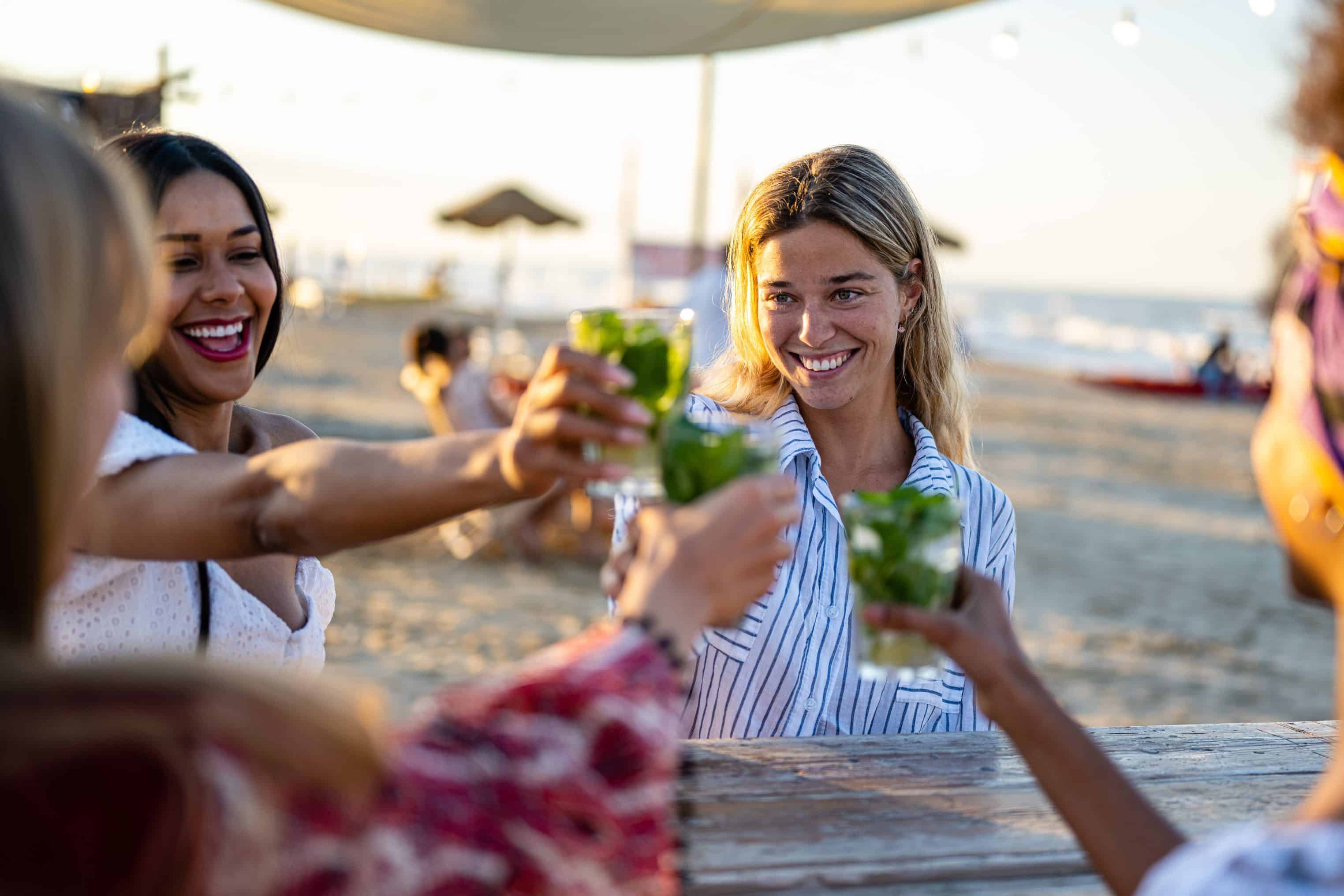
More importantly, these options make it easier for people who aren’t drinking to still connect with their imbibing friends – whether at a bar or at home – without feeling like they’re making a sacrifice with their choice of beverage. And the rise of dry bars means people who simply don’t want to be around alcohol at all can still go out in public to socialize in a familiar setting.
Surgeon General Vivek H. Murthy has called loneliness an “epidemic” in America. In a 2023 report, he asserted that prolonged social isolation can increase the risk of premature death by more than 60%, creating health risks analogous to smoking 15 cigarettes a day.
The growing popularity of alcohol-free beverages and bars helps to bridge the social gaps in drinking culture and create comfort zones for those who choose to abstain. Social norms might be shifting, but social connection doesn’t have to suffer.
The growing popularity of alcohol-free beverages and bars helps to bridge the social gaps in drinking culture and create comfort zones for those who choose to abstain. Share on X[Editor’s Note: Wine at 5 is part of the Blue Zones Power 9, as most centenarians in the blue zones regions enjoyed a glass of wine with friends and family daily. However, they drank in moderation and within their own cultural context as part of their daily social and stress management rituals that also contributed to their good health and longevity.]
Tim Cebula is a former senior editor for Cooking Light magazine. His work has appeared in national and regional publications, including Time, Health, Food & Wine, Boston magazine, and The Boston Globe. He lives on the southern coast of Maine.