We live in an age where access to life’s pleasures seems greater than ever before. But the easier it gets to self-indulge, the greater the risk of over-consumption. In the United States alone, portion sizes have seen significant growth, fast food options have proliferated, and obesity rates are climbing—with clear consequences for public health.
Other appetites are rising too. As social media evolves, there is growing discourse about being “chronically online,” social media addiction, and overstimulation. In a world that sometimes feels like too much too often, many feel the need to reset but don’t know which way is best.
Is a social media fast the answer? What about a dopamine detox? Is well-being just a juice cleanse away? This article explores some popular wellness trends to uncover what the research says.
Do We Really Need to Detox?
Toxin exposure is an unfortunate reality of everyday life. Pollutants can be traced to a range of sources, from food, air, and water to the soil that crops grow in. In recent decades, cleanses have been presented as a solution, with many gaining popularity through media coverage and celebrity endorsements.
But it’s important to know that the body does detox itself by design. The liver and stomach lining naturally contain detoxifying enzymes, and we can support their work by eating more cruciferous vegetables like broccoli, cabbage, and radish. Plants in general are a worthy ally, since their fiber binds to toxins like mercury and lead, helping the body eliminate them naturally.
In the blue zones regions, where many of the world’s longest-lived people reside, plant consumption is high. One after another, these longevity hotspots were found to have food cultures that support well-being without going to extremes.
In the blue zones regions, where many of the world’s longest-lived people reside, plant consumption is high. Share on XIn lieu of crash diets and juice cleanses, centenarians in the blue zones live life in ways that support holistic well-being: prioritizing whole foods, maintaining rich relationships, and moving their bodies by gardening or walking.
Do Wellness Retreats Work as Resets?
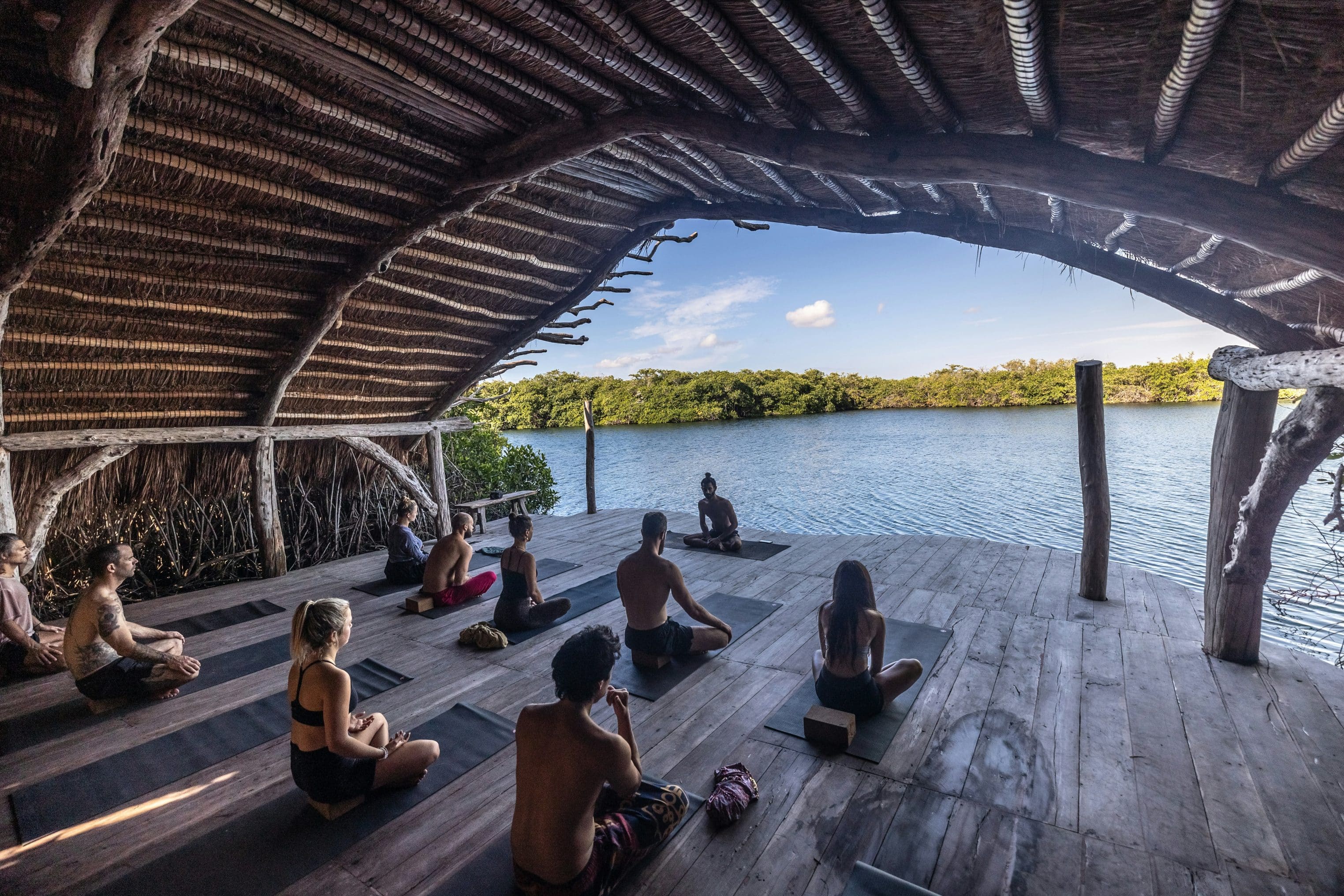
Wellness retreats are another popular reset tool. Because they’re held in residential settings, they offer a chance to adopt healthy habits in supportive and educational environments. Research suggests that this method has some value.
One study found that retreat participants saw statistically significant improvements in many health outcomes, including waist size reduction, weight loss, and improved systolic and diastolic pressure—metrics that indicate how well the heart and arteries are working.
During the studied week-long retreat, participants mostly ate plant-based foods sourced from an organic on-site garden. While fish and eggs were consumed in moderation, they ate no added salt or sugar, dairy, alcohol, caffeine, red meat, or packaged foods.
At the start of the program, pesticide metabolites were found in participants’ urine samples, but these metabolites were undetectable by the end. Moreover, improvements in mood and overall sense of wellness were still present six weeks later. Still, researchers simultaneously found that sleep quality and indicators of depression, anxiety, and/or stress were inching back toward pre-retreat levels.
This raises questions about wellness tourists’ ability to maintain these wins once they return to their normal environment. Notably, this particular retreat limited the use of digital devices, which may have supported sleep and relaxation during that time.
At Blue Zones Retreats, guests are invited to participate in Purpose Workshops, create social groups called Moais, and attend cooking courses so that they are equipped to set up an environment that supports longevity and long-term well-being long after they touch back down in their home cities.
At Blue Zones Retreats, guests are invited to participate in Purpose Workshops, create social groups called Moais, and attend cooking courses. Share on XWhat about Digital Fasts?
For those looking to feel more rested in the long term, a digital detox may be the key. Unlike methods that target toxins in the body, this one aims to improve well-being by pausing or limiting our use of digital devices.
A recent study on digital detoxes found that the group that replaced non-essential screen use with other activities saw the greatest improvement in perceived stress and anxiety. Those who simply reduced their screen time reported moderate improvements, and those who maintained their normal use reported none.
The results also suggest that digital detoxes help to lower cortisol—a hormone involved in alertness and stress management. Researchers propose that cortisol reduction allows the brain to enter the default mode network: a state where creativity and memory consolidation unfold. Participants also anecdotally reported improved task focus, mental clarity, sleep quality, and social engagement.
It is significant that neither intervention group was required to surrender all use of laptops, cell phones, and the like. This suggests that people who need these devices for work or school can also see meaningful impact by limiting “after-hours” use and striving to cut off even essential use at least an hour before bedtime.
It’s also notable that the group that saw the greatest changes replaced screen time with activities involving mindfulness, exercise, journaling, and social interaction. This finding echoes the blue zones ethos of achieving holistic well-being through sustainable lifestyle practices. Resetting our home and digital environments may have the greatest potential to improve our well-being because they make the spaces where we spend the most time more conducive to positive habit formation and long-term maintenance.
Indeed, the world’s longest-lived people don’t outsource their well-being or depend on drastic measures. Instead, they fill their lives with manageable habits: moving naturally, embracing plant-forward plates, and building supportive communities.
Indeed, the world’s longest-lived people don’t outsource their well-being or depend on drastic measures. Instead, they fill their lives with manageable habits: moving naturally, embracing plant-forward plates, and building supportive… Share on XIf you’re just starting out on your journey to a healthier, happier life, consider starting with the basics. These Blue Zones Checklists can help you refresh and reshape your environment with health and long life in mind.
Nonjabulo Mlangeni is a writer, researcher, and editor based in Los Angeles, California. She focuses on health, equity, and creative nonfiction.