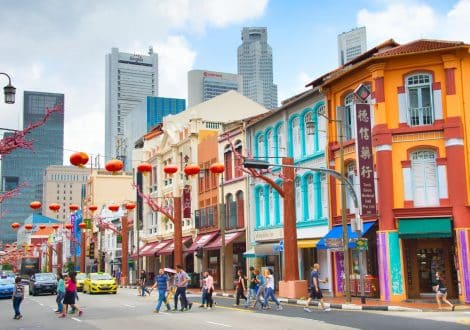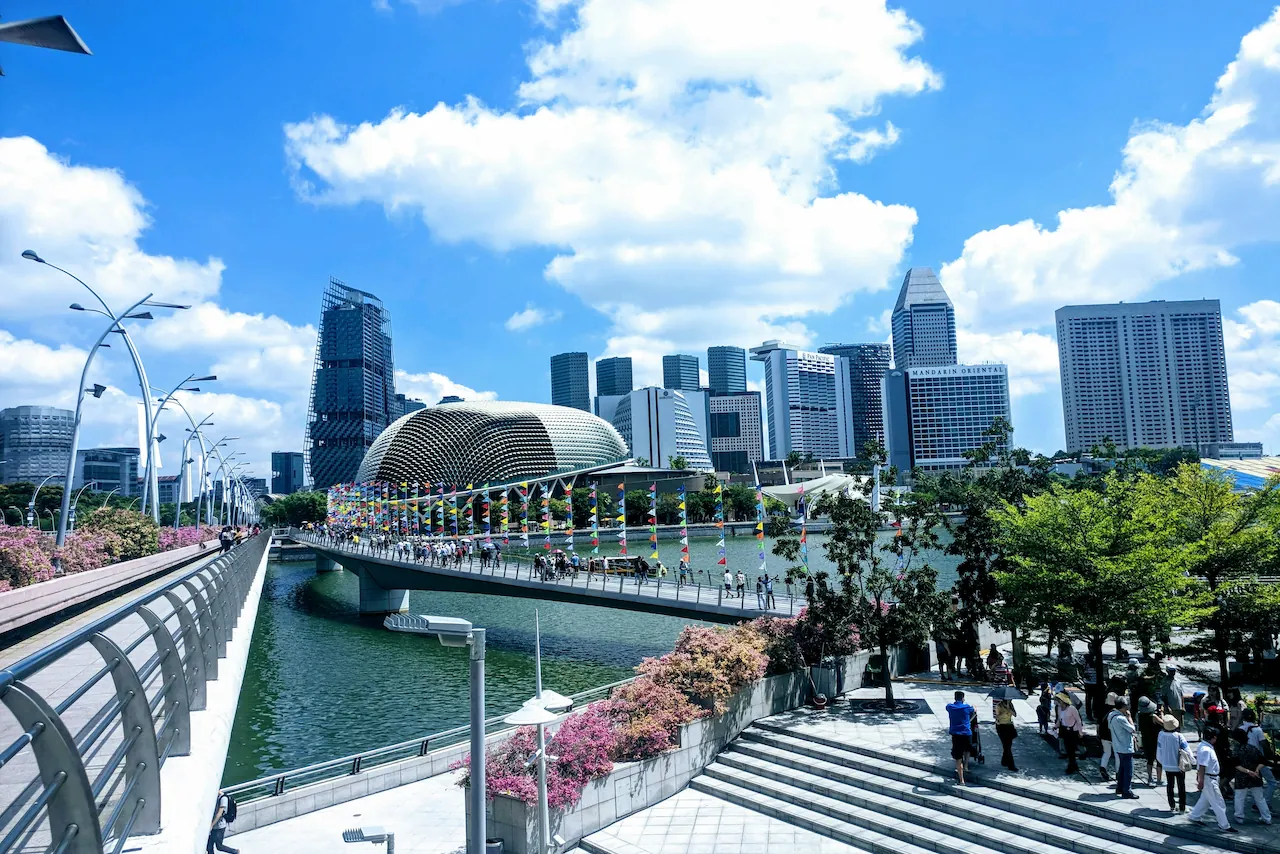
In the blue zones — communities where the world’s longest-lived people reside — there are often longstanding cultural factors that support well-being. From Ikaria to Okinawa, these societies had years, even centuries, to get it right. But what of places with vastly different traditions, or newer communities? Could they build a blue zones region from scratch?
On a diverse planet, the ability to engineer a blue zones hotspot may be the ultimate proof that every community is capable of transformation. Enter Singapore: a young city-state that’s made massive strides in public health and life expectancy. It’s done this in just two decades, through thoughtful policies and urban design.
A new kind of blue zones region is emerging: powered not by tradition, but by intention and the sheer will to change.
A new kind of blue zones region is emerging: powered not by tradition, but by intention and the sheer will to change. Share on XProactive Policies
When a policy environment fails to keep up with societal shifts and changing needs, consequences range from diminished community well-being to unequal access to public services. In contrast, Singapore shows a willingness to adapt to emerging societal changes.
In the 1990s, Singapore officials noted that the population was aging and foresaw the economic implications. The government acted quickly, calling its ministries to create a nationwide plan for “successful aging,” which addressed housing, finance, and more.
The effort also birthed programs and subsidies that promote affordable health care, including expanded coverage for seniors with disabilities. Current projections state that one in four Singaporeans will be 65 and older by 2030. When this time comes, the social impact may be cushioned by policy work that started decades ago.
Beyond anticipating future challenges, leaders are willing to acknowledge what’s not working and pivot in real time. In his travels to Singapore, Dan Buettner spoke to a public health official who echoed this sentiment.
“Like many other agencies, we focused on education at first,” said Shyamala Thilagaratnam, Outreach Director at the Health Promotion Board. “But that didn’t work as well as we wanted. So we decided to change the environment instead, to make the healthy choice easier.”
The nation put its money where its mouth is, subsidizing better-for-you foods like brown rice. This approach has proven effective elsewhere. Across the United States, Blue Zones Project initiatives have helped many communities scale programs that measurably increase fruit and vegetable consumption by improving affordability.
Across the United States, Blue Zones Project initiatives have helped many communities scale programs that measurably increase fruit and vegetable consumption by improving affordability. Share on XSingapore also updated its labelling requirements and grading system for prepackaged sweetened drinks. This encouraged companies to reformulate their products to lower sugar content, and household sugar intake from prepackaged beverages dropped by 18%.
A Supportive Environment
When people are encouraged to eat healthier while deterrents go unchecked, the message can fall flat. The same can be said for other evidence-based guidance known to foster well-being. How helpful is it to promote walking if the environment isn’t conducive? The message is evidence of caution, but an enabling environment is evidence of care.
In Singapore, the built environment has become a well-being ally. The government has installed nearly 125 miles of sheltered walkways that shield pedestrians from the elements. Moreover, the affordable, efficient subway and light rail system can be accessed within a quarter mile of all homes.
This fashioned a walkable city; today, just one in three Singaporeans own cars. A yearly national survey shows that physical activity is high. Among citizens and permanent residents, 42% reportedly engage in sport or exercise once to twice per week and 34% do so more often.
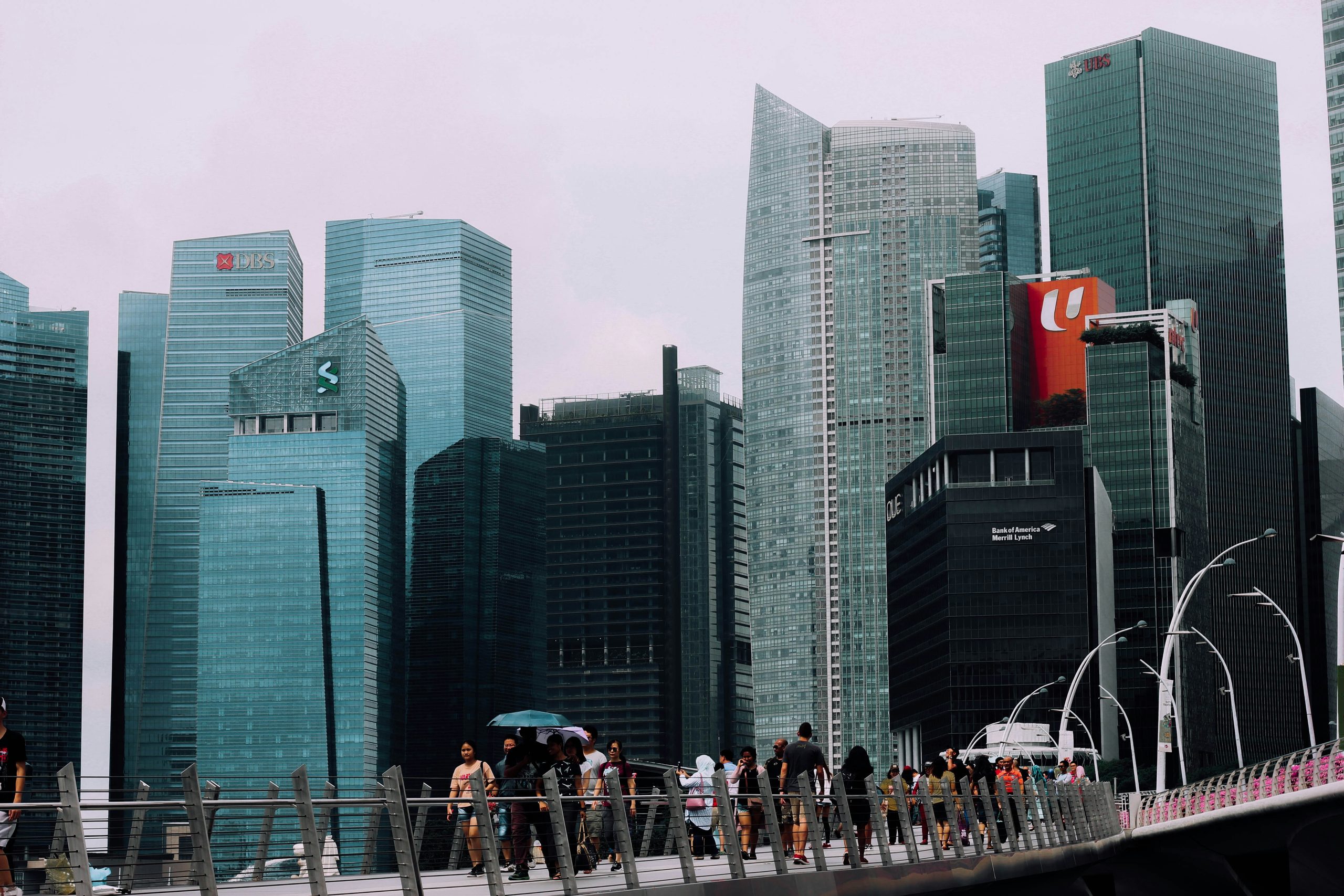
Walking is the most popular activity by far. Buettner observed that Singapore residents walk by default, from running errands to visiting friends. Intentional infrastructure design has produced the same conditions that enable centenarians in Ikaria or the Nicoya Peninsula to keep moving. The methods differ in the original blue zones, but the end result is the same.
Singaporeans get moving in various ways. Public housing neighborhoods have shared facilities that range from fitness corners to walking paths. These spaces also help residents build social connections. There are currently more than 3,400 fitness corners, while over 40% of the country is covered in gardens or trees, and 96% of households are within a 10-minute stroll of one of the nation’s 405 parks.
So, when the government launches a health initiative like the National Steps Challenge, it succeeds, in part, because of access. The call to action is not incompatible with people’s reality, so the challenge has survived for a decade. The 2017-2018 season alone drew over 400,000 participants and led to an average increase of 1,437 steps per day.
Holistic Health
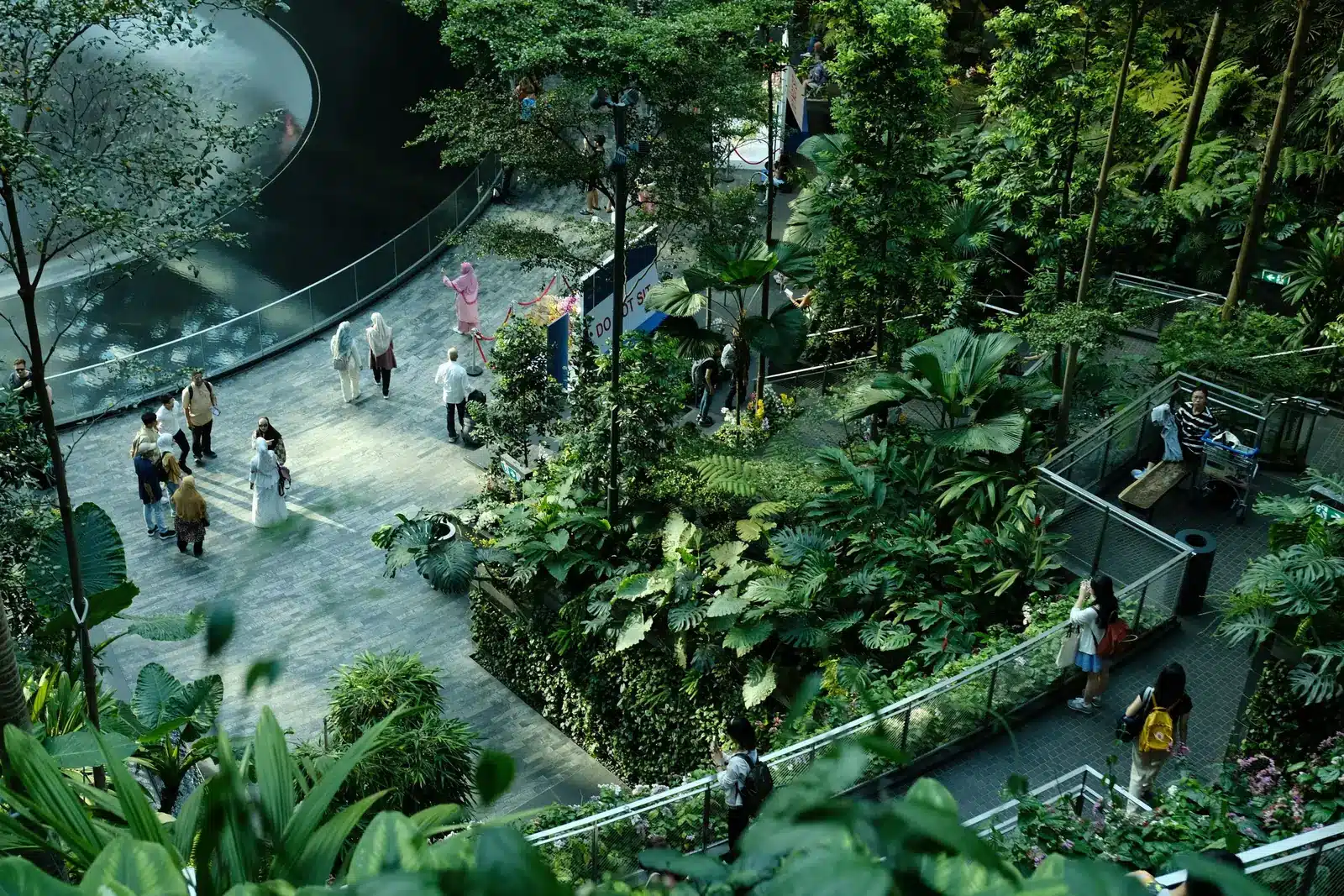
Singapore has also invested in innovative public health programs and health care infrastructure. A hospital is typically the last place where one expects to find indoor-outdoor living, yet Khoo Teck Puat Hospital provides just that. Visitors enjoy vast gardens (complete with bird and butterfly sightings), a cascading waterfall, and views of an adjacent pond.
These aren’t wasteful frivolities. While research suggests that time spent in nature can enhance emotional well-being, just viewing nature from indoors can measurably improve health outcomes — from lower blood pressure to improved cognitive function. With help from staff, even patients with limited mobility can access the hospital’s man-made rainforest and take a break from the routine of hospital life.
A robust volunteer system at the hospital allows community members to spend time with patients during meals or lonely night shifts. Like the moais of Okinawa, this helps provide companionship and social support. Other volunteers use their skills to provide free musical performances and haircuts. Those with green thumbs can help maintain a rooftop garden that produces organic food for patients and the broader community.
Khoo Teck Puat Hospital is truly a third space that embodies Blue Zones Project ideals. Locals can dine at various health-focused restaurants, gather in green spaces, volunteer, or drop in for a fitness class.
Despite these remarkable achievements, Singapore is not without challenges. Residents find that work demands can hinder some well-being practices, and so it is in many nations. But the blue zones criteria don’t call for perfection — only committed, strategic investments that make healthy choices easier. By that standard, this nation is a bona fide blue zones 2.0.
What to Do in Your City
Blue Zones Project has spent two decades partnering with more than 80 communities to make healthy choices easier. It does this through policy, urban planning, and engagement initiatives that transform the spaces where people live, work, learn, and play.
Blue Zones Project has spent two decades partnering with more than 80 communities to make healthy choices easier. Share on XResearch suggests that these areas — which we call the Life Radius ®— have the greatest impact on our health and well-being. Communities looking to enhance well-being can target the Life Radius in the following ways:
- Prioritize Complete Streets policies that improve walkability and bikeability, addressing infrastructure gaps that discourage natural movement.
- Invest in placemaking efforts like neighborhood beautification, green space expansion, and third space creation.
- Develop a robust volunteer program that targets complex public health issues (e.g., loneliness, social isolation) or reaches people that are often overlooked (e.g., neglected seniors).
- Leverage existing structures or underutilized spaces to meet multiple community needs, much like Khoo Teck Puat hospital, which is also a gathering space and urban garden.
Nonjabulo Mlangeni is a writer, researcher, and editor based in California. She focuses on health, equity, and creative nonfiction.